Ground Cover Planting in Honolulu, HI
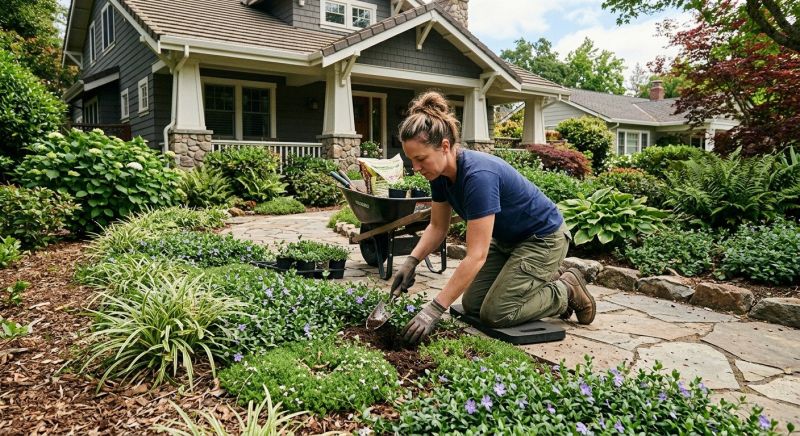
Ground cover planting services involve selecting and installing low-growing plants that spread across the soil surface to create a lush, uniform appearance. These projects often include establishing ground covers in garden beds, pathways, or large open areas to reduce soil erosion, suppress weeds, and add visual appeal. Homeowners typically seek this service when looking to enhance the overall landscape, create a low-maintenance yard, or define specific areas within their property for aesthetic or functional purposes.
Before requesting ground cover planting, property owners generally want to understand the best types of plants suited to their local climate and soil conditions, as well as the space available for growth. It’s also helpful to consider the desired look, whether a dense carpet or a more natural, scattered appearance, and any specific maintenance preferences. Clarifying these details ensures the selected ground covers will thrive and meet the property's aesthetic and practical goals.
Many property owners in Honolulu, HI look into Ground Cover Planting for repairs, replacements, upgrades, and appearance-related improvements.
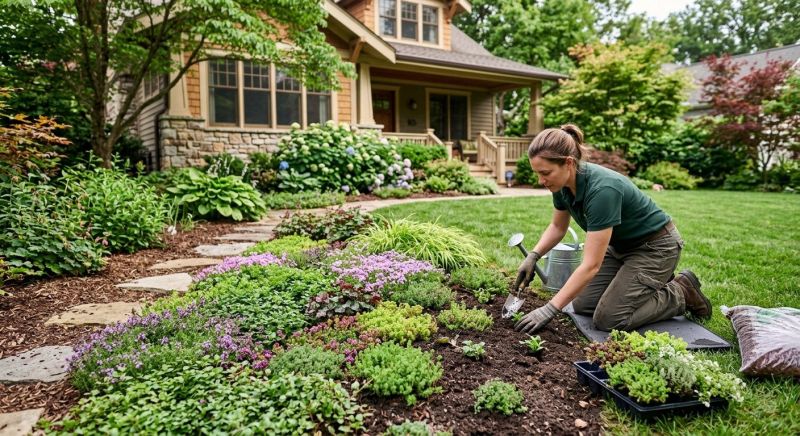
Enhancing Landscape Appearance
Ground cover plants provide a lush, uniform look that complements tropical gardens in honolulu.
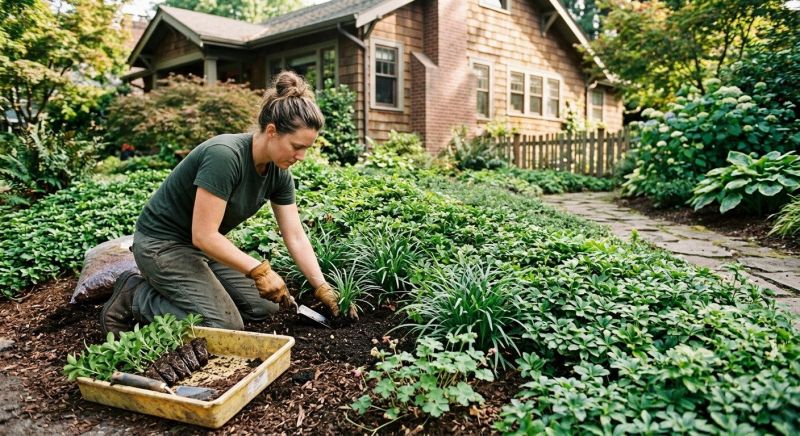
Erosion Control Solutions
Using ground cover helps stabilize soil and prevent erosion on hillside or sloped properties.
Low-Maintenance Ground Cover Options
Many ground cover plants require minimal upkeep, ideal for busy homeowners in the honolulu area.
Ground Cover Planting in Honolulu, HI

Ground cover planting services involve selecting and installing low-growing plants that spread across the soil surface to create a lush, uniform appearance. These projects often include establishing ground covers in garden beds, pathways, or large open areas to reduce soil erosion, suppress weeds, and add visual appeal. Homeowners typically seek this service when looking to enhance the overall landscape, create a low-maintenance yard, or define specific areas within their property for aesthetic or functional purposes.
Before requesting ground cover planting, property owners generally want to understand the best types of plants suited to their local climate and soil conditions, as well as the space available for growth. It’s also helpful to consider the desired look, whether a dense carpet or a more natural, scattered appearance, and any specific maintenance preferences. Clarifying these details ensures the selected ground covers will thrive and meet the property's aesthetic and practical goals.
Many property owners in Honolulu, HI look into Ground Cover Planting for repairs, replacements, upgrades, and appearance-related improvements.
Common Ground Cover Planting Jobs
Ground Cover Planting Services - Adds low-maintenance, decorative plants to reduce soil erosion.
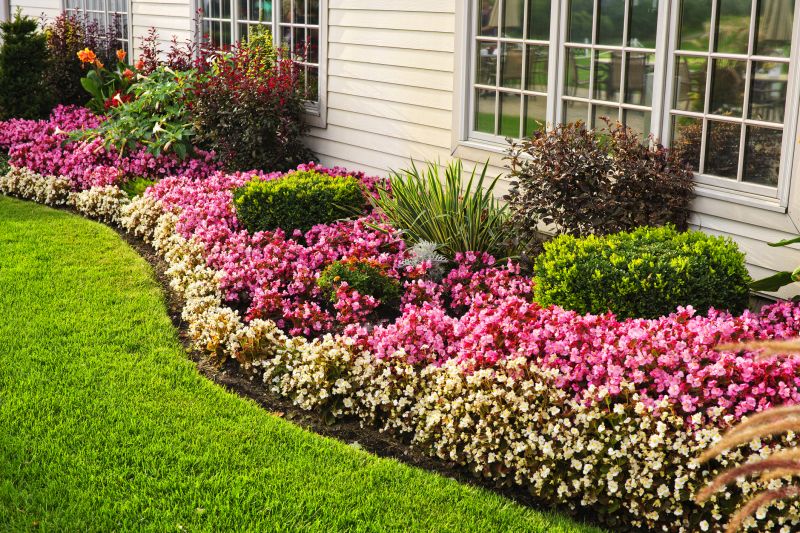
Landscape Enhancement - Provides a lush, uniform appearance for garden beds and pathways.
Weed Suppression - Helps control weeds and minimizes yard upkeep with dense ground cover.
Erosion Control - Stabilizes slopes and prevents soil loss on hillsides or uneven terrain.
Drought-Resistant Cover - Implements hardy plants that thrive with minimal watering.
Shade and Cooling - Creates shaded areas to help cool outdoor spaces naturally.
Ground Cover Planting Questions
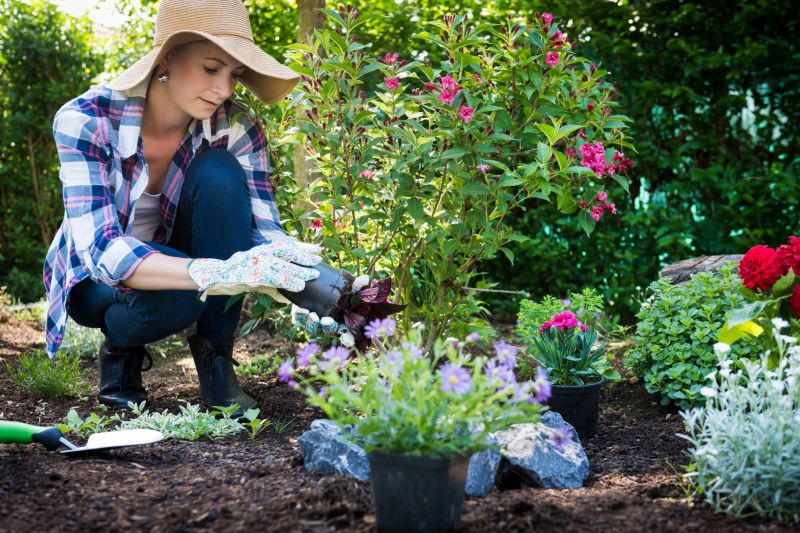
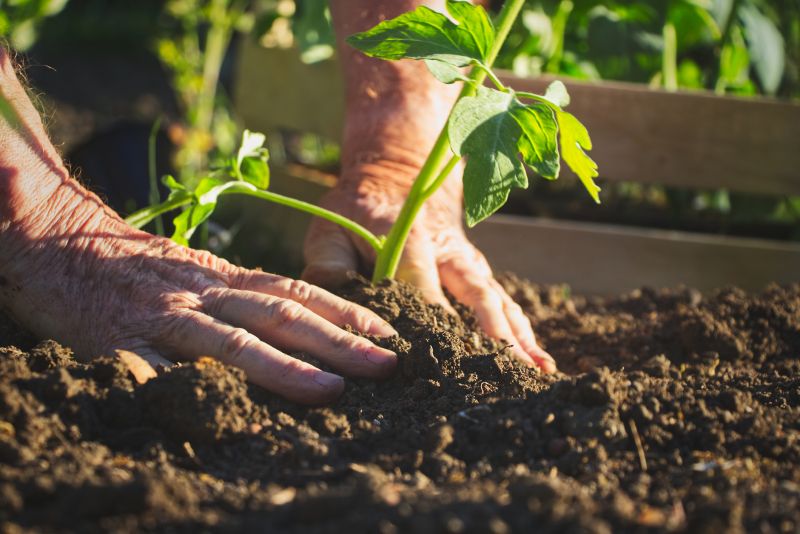
What is ground cover planting? Ground cover planting involves establishing low-growing plants to cover soil areas, helping to reduce weeds and soil erosion.
What types of plants are used for ground cover? Common options include creeping thyme, sedum, and dwarf mondo grass, chosen for their durability and low maintenance needs.
Can ground cover be installed in shaded areas? Yes, many ground cover varieties thrive in shaded conditions, making them suitable for various parts of the landscape.
What are the benefits of ground cover planting? It enhances landscape aesthetics, suppresses weeds, and helps retain soil moisture with minimal upkeep.
Request Ground Cover Planting in Honolulu, HI
Use the quote form on this page to share the basics of your project and request more information for the type of work you need.